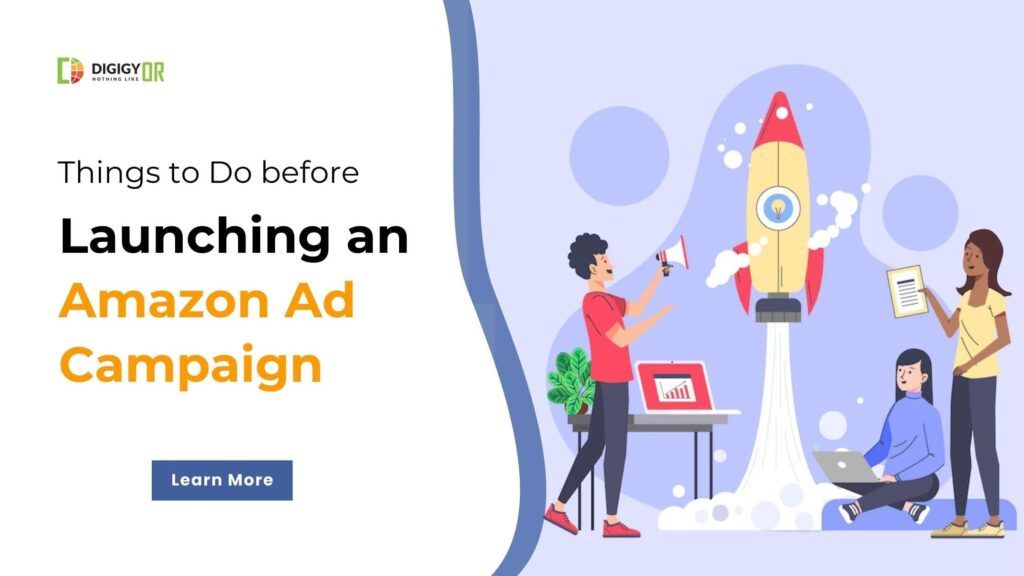
It is not enough to simply list a product in today’s crowded Amazon marketplace. With millions of active sellers, advertising is no longer optional; it is a mandatory component of a successful sales strategy.
Amazon Sponsored Products Ads should be your primary vehicle for reaching a target audience. This ad format displays your products directly to customers on product listing pages and within search results. However, launching a campaign without a roadmap can quickly lead to wasted ad spend.
This guide outlines the critical factors you must consider to ensure your Amazon PPC strategy is both profitable and scalable.
Amazon Sponsored Products: What are They?
Amazon Sponsored Products are pay-per-click (PPC) advertisements that promote individual product listings. They appear in highly visible locations, such as the top of search engine results pages (SERPs) and on related product detail pages.
Essentially, Sponsored Products allow you to use specific keywords to place your items in front of “high-intent” shoppers, people already looking to buy. The best part? You only pay a fee when a customer actually clicks on your advertisement, making it one of the most controlled and efficient marketing tools available.
Why Start with Sponsored Products?
For new advertisers and brand owners, Sponsored Products offer the lowest barrier to entry. They provide:
- Immediate Visibility: Skip the wait for organic ranking.
- Improved Organic Rank: Increased sales velocity from ads often leads to better natural search positioning.
- Ease of Use: They are simpler to set up compared to Sponsored Brand or Display ads.
5 Critical Steps Before Launching Your Campaign
1. Conduct Competitive Benchmarking
Before spending a dollar, you must know who you are up against. Search for your primary product keywords on Amazon and identify the top-performing Sponsored Products.
The Spreadsheet Method: Record the competitors’ titles, brand names, pricing, and active promotions (coupons or “Save 10%” tags).
The Strategy: Adjust your price point or offer a temporary discount coupon during your launch phase. This increases your click-through rate (CTR) and helps you manage your Amazon ad costs more effectively.
2. In-Depth Keywords Research
To reach the right audience, you need data-driven keywords. Tools like Jungle Scout or Helium 10 are essential for identifying which terms are actually driving traffic for your competitors.
Prepare the list of keywords in a spreadsheet. Identify all relevant keywords and remove any that are not appropriate.
This will help you run Sponsored Products Ads on Amazon more effectively by targeting the right keywords and getting better placements to reach the right audience. This precision saves your budget and improves your ACOS (Advertising Cost of Sales).
3. Keyword Match Types
When setting up the keyword targeting for Amazon Sponsored Product ads, you can select from the following match types: exact, broad, and phrase match. It’s important to understand how each match type works on Amazon.
- Exact Match: Your ad only appears when a user types the exact phrase. Example: Keyword is “Black Steel Bottle.” The ad shows only for “Black Steel Bottle.”
- Phrase Match: Your ad appears when the search includes your phrase in the correct order, even if there are words before or after. Example: Ad shows for “Insulated Black Steel Bottle” or “Black Steel Bottle 500ml.”
- Broad Match: This covers a wider range of related terms, including synonyms and variations. Example: Keyword is “Steel Bottle.” Ad may show for “Metal Flask” or “Stainless Steel Water Jug.”
Pro Tip: For new campaigns, consider using Negative Keywords. These allow you to exclude specific terms (e.g., “plastic” or “cheap”) so you don’t pay for clicks that will never convert.
4. Strategic Budget Allocation
Your budget determines your daily spending limit and your bidding strategy. To maintain a profit, you need to estimate:
- Search Volume: How many people are looking for these terms?
- Average CPC (Cost-Per-Click): What is the going rate to win a top spot?
- Conversion Rate: How many clicks do you typically need to make one sale?
Start with a conservative daily budget and increase it only once you see which keywords are delivering a positive Return on Ad Spend (ROAS).
5. Improve Your Product Listings
The final, and most critical, step: Never drive traffic to a poor listing. Even the best ad cannot sell a bad product page. Before launching, ensure your Amazon product listings include:
- Main Image: High-quality, 100% white background, meeting Amazon’s 2026 standards.
- Product Infographics: Highlight key benefits and dimensions.
- EBC/A+ Content: If you are Brand Registered, use A+ content design to tell your brand story. This is proven to increase conversion rates by 7%–15%.
- Social Proof: Aim for at least 10–15 reviews to establish trust before scaling your spend.
Conclusion
Successful Amazon advertising isn’t about “setting and forgetting.” It is a cycle of competitor analysis, keyword refinement, and listing optimization. By focusing on these fundamentals, you will not only increase your visibility but also ensure that the traffic you pay for actually turns into revenue.
Need help auditing your Amazon PPC campaigns or optimizing your Shopify store for better search performance? Feel free to reach out to our technical team for a free consultation.